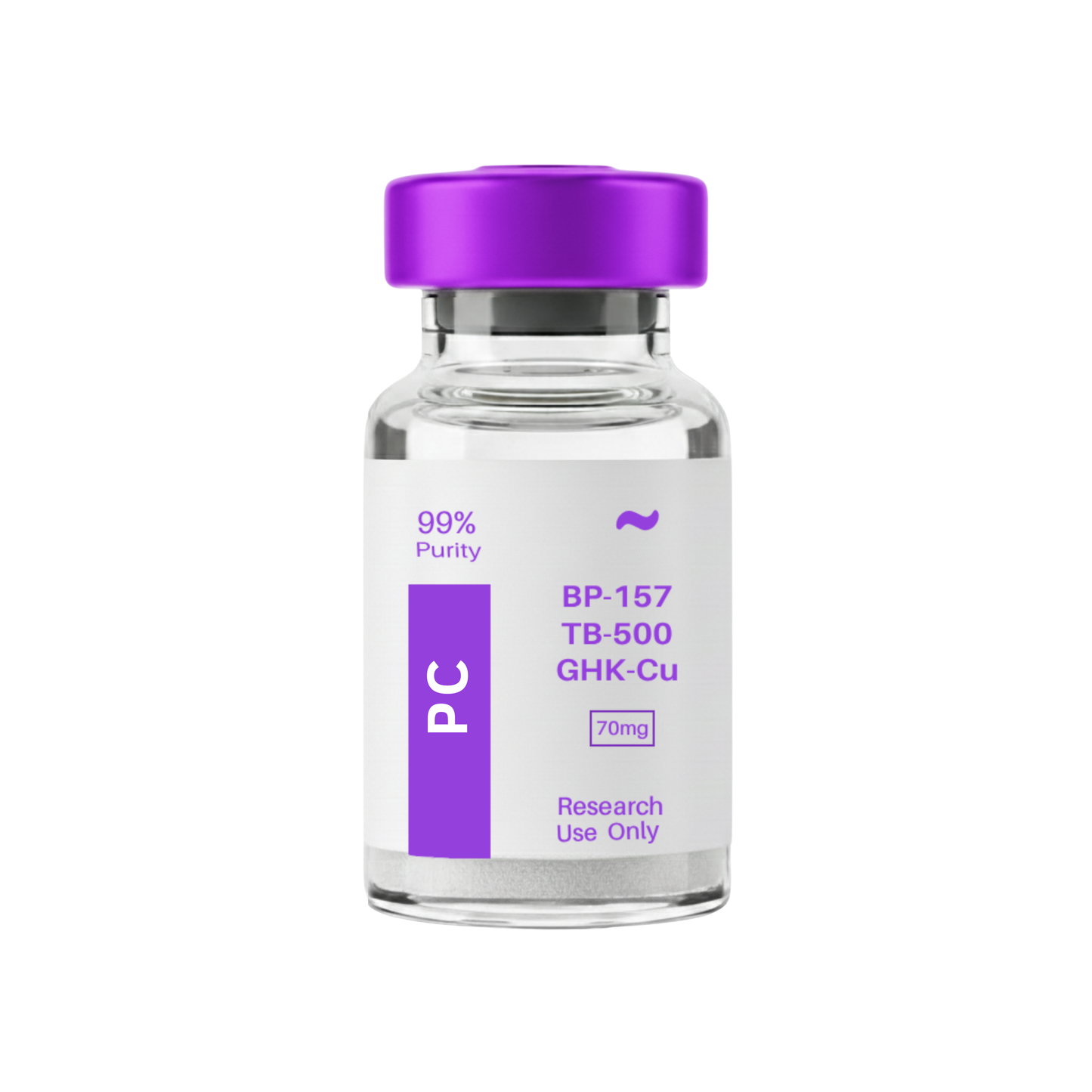
BPC-157 + TB-500 + GHK-Cu
This batch of BPC-157 + TB-500 + GHK-Cu Peptide Blend has been third party lab tested and verified for quality.
Contents: BPC-157, TB-500, GHK-Cu
Form: Powder
Purity: 99.3%
Couldn't load pickup availability
Free Reconstitution Solution automatically added to your cart with each order.
This product is Made, Tested & Shipped From Canada.
Ships Today
Order by 1:00 PM EST
Free Shipping
For 2 or more vials
Verified+

BPC-157 + TB500 (Thymosin Beta 4) + GHK-Cu Blend
BPC-157, TB500, and GHK-Cu constitute, separately, some of the most extensively studied and powerful anti-inflammatory peptides currently obtainable. Each compound has been evaluated for its capability to enhance wound healing processes, slow lesion decay, promote muscle and tendon development, modify DNA expression patterns, and even counteract certain effects of biological aging. Despite sharing some similar properties, each of these peptides operates through distinct mechanisms to achieve its various effects. Logic therefore suggests that utilizing these peptides in combination with one another could potentially result in synergistic effects across each of the areas previously mentioned.
To facilitate research into the combined effects of these peptides, this BPC-157 + TB500 (Thymosin Beta 4) + GHK-Cu blend formulation has been developed. This blend simplifies the logistics of ordering, storage, dosing, and administration of these peptides, allowing researchers to focus on measuring outcomes and designing experiments rather than developing protocols for administering multiple individual peptides separately.
What follows is an examination of how BPC-157, TB500, and GHK-Cu might function in combination and why they might produce synergistic (enhanced effects) when used together. This overview will likely provide guidance on what animal studies using these peptides in combination might reveal and where scientists should expect to observe measurable results.
BPC-157: Biochemistry
BPC-157 acts as a pentadecapeptide derived from a protein naturally occurring in gastric protective mechanisms. The compound represents a synthetic derivative from BPC (Body Protection Compound), isolated initially for its gastroprotective and healing properties. Research studies have identified the peptide in blood plasma up to 15 minutes following administration, with detection in multiple organs throughout the body. Researchers have documented its presence in brain tissue, with circulating levels maintained for at least four hours post-administration.
Research demonstrates that BPC-157 undergoes rapid absorption and widespread distribution throughout bodily systems. Research shows the compound can traverse the blood-brain barrier and concentrate in various organs within minimal timeframes. The peptide influences multiple growth factors including VEGF, regulates nitric oxide pathways, and affects numerous pro-inflammatory and anti-inflammatory cytokines.
The third consideration involves the biochemistry of BPC-157: it functions as a synthetic pentadecapeptide. Some researchers classify it as a partial sequence derived from BPC proteins isolated from gastric juice. The peptide has been extensively investigated across various injury models.
Three key attributes can be identified:
- Particularly effective in injury contexts
- Exhibits antibacterial and antifungal properties
- Demonstrates anti-inflammatory actions
- Shows widespread systemic distribution
These characteristics position the peptide as a versatile compound with potential applications across multiple physiological systems, from central nervous system to musculoskeletal tissues to gastrointestinal tract.
BPC-157 Actions in the Body
An overview of BPC-157's complex actions throughout the body reveals profound effects on nitric oxide signaling and VEGF expression, along with various impacts on inflammatory cytokine profiles.
Returning to the critical point regarding BPC-157's major mechanisms: one of its primary (if not the primary) actions involves nitric oxide signaling. Research demonstrates that BPC-157 counteracts deleterious effects of L-NAME, a compound known to cause gastrointestinal ulceration. Additionally, BPC-157 has shown positive influence on oxide synthase enzymes (both inducible and endothelial NOS), resulting in increased expression of several antioxidant enzymes, particularly heme oxygenase-1 (HO-1). Concurrently, the nitric oxide produced by NOS enzymes serves dual purposes. While it can exhibit cytotoxic effects, it also proves essential for proper immune responses and plays crucial roles in nervous system functioning and development.
NO molecules can bind directly to heme groups in NOS enzymes, initiating various chemical and biochemical processes. These include NO deoxygenation, which contributes to scavenging and vasoconstrictive effects—particularly relevant in hemolytic disorder conditions—as well as hemoglobin S-nitrosylation, a process implicated in lung injury scenarios and associated with elevated erythrocyte production.
TB500: Biochemistry
TB500 represents a derivative of thymosin beta-4, a naturally occurring protein with established anti-inflammatory and wound healing properties. Similar to its parent molecule, TB500 functions primarily by binding to actin molecules and regulating gene expression patterns. The peptide has demonstrated beneficial effects across multiple physiological systems including cardiac health, muscle repair, immune regulation, and central nervous system function. Evidence even suggests potential effects in counteracting certain aging-related changes.
TB500 operates through two primary mechanisms. First, within cellular environments, the peptide works by sequestering actin and thereby regulating cellular motility and division. This function proves critical for numerous processes ranging from wound healing to immune cell migration to tissue remodeling. TB500 administration in research models has demonstrated acceleration of wound healing, reduction of inflammatory responses, and promotion of new blood vessel formation.
The second mechanism, sometimes termed "moonlighting," involves regulation of inflammation through gene expression changes rather than through direct cellular interactions. TB500 modifies expression of genes involved in nitric oxide synthesis, blood vessel development, cellular proliferation, and additional processes.
These effects extend across multiple signaling systems. TB500 modulates NF-κB and Toll-like receptor pathways by suppressing pro-inflammatory cytokine release including TNF-α and IL-1. The peptide also activates several tissue repair pathways such as PI3K/Akt/eNOS, Notch, and angiopoietin-1/Tie2, all supporting regeneration processes. Furthermore, TB500 modulates TGF-β pathways to reduce fibrosis (excessive scarring). Evidence indicates the peptide influences Wnt signaling, promoting hair follicle formation and stimulating hair growth through effects at the DNA level.
GHK-Cu: Biochemistry
GHK-Cu consists of a naturally occurring tripeptide (glycyl-histidyl-lysine) bound to a copper ion. This copper complex was initially identified in human blood plasma, though it has since been detected in saliva and urine samples as well. Research in animal models indicates the complex plays significant roles in wound healing responses and inflammatory regulation. The peptide has gained recognition for its capacity to stimulate collagen synthesis and promote skin fibroblast growth. These properties have led to its incorporation into numerous cosmetic formulations where it functions as an anti-aging ingredient.
The mechanism of GHK-Cu involves stimulation of enzymes called metalloproteinases. These enzymes function by breaking down specific proteins, creating space for new tissue formation during wound healing. The peptide also stimulates anti-protease production, which prevents premature breakdown of newly formed proteins. Through interactions with related compounds like BPC-157, GHK-Cu appears to coordinate complex mechanisms controlling protein deposition and degradation through gene regulation. This coordination proves essential for organized wound healing processes, particularly in dermal repair.
This represents just one example of multiple pathways through which GHK-Cu functions to diminish inflammation and consequent tissue damage. Additionally, the peptide increases production of antioxidant regenerative enzymes including superoxide dismutase and glutathione.
BPC-157 + TB500 (Thymosin Beta 4) + GHK-Cu Blend: Anti-Inflammatory Properties
Excessive or prolonged inflammation represents a common impediment to proper healing and contributes to various chronic conditions. Each peptide in this formulation demonstrates anti-inflammatory properties through distinct mechanisms, potentially creating additive or synergistic effects.
BPC-157 modulates inflammation primarily through its effects on the nitric oxide system and cytokine regulation. The peptide has demonstrated capacity to reduce levels of pro-inflammatory cytokines in various experimental models. In studies of inflammatory bowel conditions, BPC-157 treatment decreased inflammatory markers and prevented tissue damage typically associated with chronic gut inflammation. The peptide appears to shift the inflammatory profile toward resolution, promoting tissue repair while limiting destructive inflammatory processes.
The nitric oxide pathway represents a particularly important aspect of BPC-157's anti-inflammatory mechanism. As previously discussed, appropriate NO regulation proves essential for balancing immune responses. BPC-157's ability to counteract harmful effects of dysregulated NO signaling may explain its protective properties in inflammatory conditions. The peptide helps maintain NO at levels that support healing without inducing the cytotoxic effects associated with excessive production.
TB500 regulates inflammation through gene expression changes rather than direct cellular mechanisms. The peptide suppresses transcription of pro-inflammatory genes while upregulating anti-inflammatory and repair-promoting genes. Specifically, TB500 reduces NF-κB pathway activation - a central regulator of inflammatory gene expression. By dampening this pathway, the peptide decreases production of multiple inflammatory mediators including TNF-α and IL-1, both strongly implicated in inflammatory pathologies.
The peptide also influences toll-like receptor signaling, another key inflammatory pathway. These receptors detect tissue damage and pathogen presence, triggering inflammatory responses. TB500's modulation of TLR signaling helps prevent excessive inflammatory activation while maintaining appropriate immune surveillance. This balanced effect proves important for enabling healing without compromising immune defense.
Research involving inflammatory models demonstrates TB500 reduces tissue swelling, decreases immune cell infiltration into inflamed areas, and limits the extent of collateral damage from inflammatory processes. These effects translate to improved healing outcomes and reduced chronic inflammation risk.
GHK-Cu contributes anti-inflammatory effects through multiple mechanisms. The peptide modulates immune cell behavior, reducing excessive activation of inflammatory cells. Research shows GHK-Cu decreases production of inflammatory mediators from activated immune cells, helping control the magnitude of inflammatory responses.
Additionally, GHK-Cu's antioxidant effects contribute to inflammation control. Oxidative stress and inflammation exist in a bidirectional relationship - each promotes the other. By enhancing antioxidant defenses through increased superoxide dismutase and glutathione, GHK-Cu helps break this cycle. Reduced oxidative stress leads to decreased inflammatory signaling, while controlled inflammation produces less oxidative damage.
Together, these three peptides provide multi-level inflammation control: cytokine and NO regulation (BPC-157), inflammatory gene expression modification (TB500), and immune cell modulation plus antioxidant support (GHK-Cu). This comprehensive approach to inflammation management may prove more effective than targeting a single pathway.
BPC-157 + TB500 (Thymosin Beta 4) + GHK-Cu Blend: Tissue Repair
BPC-157 exhibits particular efficacy in wound healing applications, operating across multiple stages of the repair process. Initially isolated for gastrointestinal protective properties, subsequent research revealed its benefits extend to various tissue types throughout the body.
The peptide undergoes rapid systemic distribution following administration. Investigations tracking radiolabeled BPC-157 demonstrate it reaches multiple organ systems including brain tissue within approximately 15 minutes post-administration. Detectable levels persist in circulation for at least four hours, enabling sustained effects at injury sites.
For tissue repair specifically, BPC-157 stimulates several growth factor systems. The peptide enhances vascular endothelial growth factor expression, promoting new blood vessel formation essential for delivering oxygen and nutrients to healing tissues. This angiogenic effect proves particularly valuable in injuries with compromised blood supply. Additionally, BPC-157 influences various inflammatory mediators, helping orchestrate the complex inflammatory phase of healing while preventing excessive or prolonged inflammation that impairs repair quality.
Mechanistically, the peptide's effects on collagen deposition appear mediated by its influence on growth hormone receptors. BPC-157 has demonstrated ability to maintain functional growth hormone signaling even when receptors are pharmacologically blocked. This property suggests the peptide may bypass certain limitations in growth factor signaling that can impede healing in compromised physiological states.
For injuries involving tendons and ligaments, BPC-157 has shown particularly robust effects. These connective tissues typically heal slowly due to limited vascular supply. Research demonstrates the peptide accelerates healing timelines in these structures while reducing scar tissue formation and improving biomechanical properties of repaired tissue. Studies examining tendon injuries report animals treated with BPC-157 demonstrate faster return to normal function and stronger healed tissue compared to controls.
Regarding healing quality, evidence indicates BPC-157 reduces fibrosis and scarring in various wound models. Rather than filling injury sites predominantly with disorganized scar tissue, BPC-157-treated wounds show improved collagen organization and better restoration of normal tissue architecture. This represents a critical consideration, as scar tissue lacks the functional properties of original tissue and can lead to long-term complications.
The peptide also demonstrates protective effects that complement its regenerative properties. BPC-157 appears to stabilize cellular membranes and reduce secondary damage from inflammatory processes. In injury scenarios, this protective dimension may preserve more viable tissue, ultimately reducing the extent of damage requiring repair.
TB500 contributes distinct mechanisms to tissue repair. Through actin sequestration, the peptide facilitates cellular migration necessary for repair cells to populate injury sites. This migration process proves essential for wound healing, as fibroblasts, immune cells, and stem cells must all relocate to damaged areas. TB500 essentially enables the cellular mobilization phase of healing.
Beyond cellular movement, TB500 influences proliferation of repair cells at wound sites. The peptide promotes multiplication of cells needed to rebuild tissue, including fibroblasts that produce structural proteins and endothelial cells that form new blood vessels. The combined effects on migration and proliferation mean TB500 helps ensure adequate numbers of appropriate cells reach injury sites and expand to complete repair processes.
GHK-Cu's contribution centers on structural protein production and matrix remodeling. The peptide stimulates metalloproteinases - enzymes that break down damaged proteins and clear debris from wound sites. Simultaneously, GHK-Cu enhances production of collagen and other structural proteins needed to rebuild tissue architecture. This dual action - clearing damaged material while promoting new protein synthesis - proves essential for effective tissue remodeling.
The copper component provides additional benefits. Copper ions serve as cofactors for enzymes involved in collagen cross-linking, a process that provides mechanical strength to healing tissue. Adequate copper availability at wound sites supports formation of properly organized, mechanically stable scar tissue.
Together, these three peptides address complementary aspects of tissue repair: cellular migration and proliferation (TB500), growth factor signaling and vascular support (BPC-157), and protein synthesis with matrix remodeling (GHK-Cu). The combination theoretically provides more comprehensive support for the healing cascade than any single agent.
BPC-157 + TB500 (Thymosin Beta 4) + GHK-Cu Blend: Anti-Bacterial Properties
Infection risk during tissue healing presents a significant concern, particularly in compromised healing environments. This peptide combination offers antimicrobial benefits through multiple mechanisms.
Both BPC-157 and GHK-Cu possess documented antimicrobial activities. Research indicates BPC-157 can inhibit growth of various bacterial strains and certain fungal pathogens. The copper component of GHK-Cu contributes additional antimicrobial effects, as copper ions inherently disrupt microbial cell membranes and interfere with essential bacterial enzymes. The presence of copper may reduce infection likelihood at wound sites while simultaneously supporting the peptide's other regenerative functions.
Studies involving GHK-Cu demonstrate the peptide decreases infection rates in experimental wound models. Through a combination of direct antimicrobial action and immune modulation, GHK-Cu helps create a healing environment less susceptible to pathogenic colonization. TB500, while less studied for direct antimicrobial properties, contributes to infection resistance by accelerating wound closure - reducing the time window during which wounds remain vulnerable to bacterial invasion.
This antimicrobial dimension adds another layer of potential benefit, particularly in research examining healing in contaminated environments or in subjects with compromised immune responses. The ability of these peptides to simultaneously promote healing and resist infection represents a clinically relevant property combination.
BPC-157 + TB500 (Thymosin Beta 4) + GHK-Cu Blend: Anti-Aging Effects
Cellular aging involves multiple interconnected processes including oxidative stress accumulation, inflammatory pathway dysregulation, declining regenerative capacity, and progressive tissue degradation. Each component in this peptide blend addresses different aspects of these aging mechanisms.
The copper peptide (GHK-Cu) has demonstrated capacity to enhance antioxidant enzyme activity. Specifically, the peptide upregulates both superoxide dismutase and glutathione production - two critical components of the cellular antioxidant defense system. These enzymes neutralize harmful reactive oxygen species that accumulate with age and contribute to cellular damage. Beyond antioxidant effects, GHK-Cu stimulates structural protein synthesis in skin tissue, promoting collagen production and supporting the maintenance of tissue architecture typically compromised during aging processes.
Regarding inflammation management, which represents a hallmark of biological aging, research indicates that systemic inflammation levels naturally escalate with advancing age. This chronic low-grade inflammation, termed "inflammaging," contributes to numerous age-related conditions. TB500 specifically modulates inflammatory gene expression patterns, reducing production of pro-inflammatory signaling molecules. The peptide influences key regulatory pathways including NF-κB and toll-like receptor signaling cascades. Through these mechanisms, TB500 decreases secretion of inflammatory cytokines such as tumor necrosis factor-alpha and interleukin-1, which are characteristically elevated in aging tissues.
Similarly, BPC-157 demonstrates substantial anti-inflammatory activity, though via different molecular mechanisms. This peptide particularly targets the nitric oxide system. While excessive nitric oxide can induce cellular toxicity, appropriate regulation of this system is essential for maintaining vascular health and immune function. BPC-157 has been shown to counteract harmful effects of compounds like L-NAME that damage tissue through NO pathway disruption. The peptide positively influences both inducible and endothelial nitric oxide synthase enzymes, leading to increased production of cytoprotective molecules such as heme oxygenase-1.
Additionally, BPC-157's influence extends to nitric oxide's broader physiological roles. The molecule can bind directly to heme-containing enzymes, initiating processes like NO deoxygenation and hemoglobin S-nitrosylation. These biochemical reactions carry implications for vascular regulation and tissue oxygenation - both relevant to age-related vascular decline.
From a tissue regeneration perspective, declining regenerative capacity represents another cardinal feature of aging. TB500's primary mechanism involves actin sequestration and regulation of cell motility, which proves critical for wound healing responses that typically diminish with age. The peptide promotes cellular migration to injury sites, enhances proliferation of repair cells, and stimulates formation of new blood vessels to support tissue restoration. Research has demonstrated TB500 administration accelerates healing timelines, reduces inflammation at wound sites, and improves quality of repaired tissue.
The aging process also involves alterations in gene expression patterns that shift cellular function toward senescence and away from regeneration. TB500's "moonlighting" function - its ability to modify gene transcription patterns - becomes particularly relevant here. The peptide alters expression of genes governing nitric oxide synthesis, angiogenesis, cellular proliferation, and various tissue repair pathways including PI3K/Akt/eNOS, Notch signaling, and angiopoietin-Tie2 systems.
Furthermore, TB500 demonstrates ability to modulate transforming growth factor-beta pathways, which regulate fibrosis formation. Excessive fibrotic tissue accumulation (scarring) represents a common age-related change that impairs normal tissue function. By influencing this pathway, TB500 may help maintain tissue quality during repair processes. Evidence additionally suggests the peptide influences Wnt signaling pathways involved in hair follicle biology, potentially explaining observed effects on hair growth and follicle regeneration.
Combining these peptides theoretically creates complementary effects across multiple aging-related pathways simultaneously. The formulation addresses oxidative stress (GHK-Cu), chronic inflammation (all three compounds via different mechanisms), reduced healing capacity (TB500 and BPC-157), and structural protein decline (GHK-Cu). This multi-targeted approach represents the fundamental rationale for investigating this combination rather than individual peptides alone.
BPC-157 + TB500 (Thymosin Beta 4) + GHK-Cu Blend: Summary
These three peptides combined in a single formulation represent an approach to simplify research procedures involving multiple compounds. The blend allows investigators to work with a unified dosing protocol rather than managing three separate substances. Each individual peptide has been the subject of extensive investigation for various therapeutic applications.
The rationale for this combination stems from each peptide's distinct cellular mechanisms. BPC-157 primarily influences nitric oxide pathways and vascular growth factors. TB500 works through actin-binding and gene expression modification. GHK-Cu operates via metalloproteinase stimulation and copper-mediated effects. Together, these mechanisms may complement each other to produce enhanced outcomes in tissue repair, inflammation control, and cellular rejuvenation.
This formulation particularly interests researchers studying wound healing dynamics, inflammatory pathway interactions, antimicrobial properties in healing environments, and potential synergies between different regenerative peptides.
About The Author
The author possesses specialized expertise in experimental biology with specific focus on peptide therapeutics and cellular regeneration. Educational credentials include B.S. in Molecular Biology from a major research university and subsequent graduate training in cellular physiology. Professional experience encompasses roles in biotechnology research settings and scientific communication.
Scientific Journal Author
Patricia Day, Scientific Writer, M.S. in Cell & Mol. Biology
Patricia works as a consulting science writer with an educational background in Molecular Biology and over a decade of experience in pharmaceutical development. Her primary interests center around novel therapeutic strategies for age-related conditions, regenerative medicine applications, and peptide-based interventions. Patricia combines her laboratory expertise with professional writing skills to translate complex scientific concepts into accessible content.
Patricia holds advanced degrees from distinguished institutions including MIT and Georgetown University School of Medicine. Her research contributions span multiple areas including genetic regulation, cellular senescence mechanisms, and tissue engineering approaches.
BPC-157 + TB500 (Thymosin Beta 4) + GHK-Cu Blend Resources
VERSION 4
BPC-157 + TB500 (Thymosin Beta 4) + GHK-Cu Blend
BPC-157, TB500, and GHK-Cu represent, individually, some of the most comprehensively investigated and potent anti-inflammatory peptides currently available. Each substance has been studied for its ability to promote wound healing processes, slow lesion deterioration, facilitate muscle and tendon development, modify DNA expression patterns, and even neutralize certain effects of biological aging. Despite sharing some comparable properties, each of these peptides operates through distinctive mechanisms to accomplish its various effects. Logic therefore suggests that utilizing these peptides in combination with one another could potentially yield synergistic effects across each of the areas previously mentioned.
To support research into the combined effects of these peptides, this BPC-157 + TB500 (Thymosin Beta 4) + GHK-Cu blend formulation has been created. This blend streamlines the logistics of ordering, storage, dosing, and administration of these peptides, enabling researchers to concentrate on measuring outcomes and designing experiments rather than developing protocols for administering multiple individual peptides separately.
What follows is an analysis of how BPC-157, TB500, and GHK-Cu might operate in combination and why they might generate synergistic (enhanced effects) when used together. This overview will likely provide guidance on what animal studies using these peptides in combination might reveal and where scientists should anticipate observing measurable results.
BPC-157: Biochemistry
BPC-157 serves as a pentadecapeptide derived from a protein naturally present in gastric protective mechanisms. The compound represents a synthetic derivative from BPC (Body Protection Compound), originally isolated for its gastroprotective and healing properties. Research studies have detected the peptide in blood plasma up to 15 minutes following administration, with identification in multiple organs throughout the body. Researchers have documented its presence in brain tissue, with circulating levels sustained for at least four hours post-administration.
Research demonstrates that BPC-157 experiences rapid absorption and extensive distribution throughout bodily systems. Research shows the compound can cross the blood-brain barrier and accumulate in various organs within minimal timeframes. The peptide affects multiple growth factors including VEGF, controls nitric oxide pathways, and influences numerous pro-inflammatory and anti-inflammatory cytokines.
The third consideration involves the biochemistry of BPC-157: it serves as a synthetic pentadecapeptide. Some researchers categorize it as a partial sequence derived from BPC proteins isolated from gastric juice. The peptide has been thoroughly investigated across various injury models.
Three key attributes can be identified:
- Particularly effective in injury contexts
- Exhibits antibacterial and antifungal properties
- Demonstrates anti-inflammatory actions
- Shows widespread systemic distribution
These characteristics establish the peptide as a versatile compound with potential applications across multiple physiological systems, from central nervous system to musculoskeletal tissues to gastrointestinal tract.
BPC-157 Actions in the Body
An overview of BPC-157's complex actions throughout the body reveals significant effects on nitric oxide signaling and VEGF expression, along with various impacts on inflammatory cytokine profiles.
Returning to the essential point regarding BPC-157's major mechanisms: one of its primary (if not the primary) actions involves nitric oxide signaling. Research demonstrates that BPC-157 neutralizes harmful effects of L-NAME, a compound known to cause gastrointestinal ulceration. Additionally, BPC-157 has shown beneficial influence on oxide synthase enzymes (both inducible and endothelial NOS), resulting in increased expression of several antioxidant enzymes, particularly heme oxygenase-1 (HO-1). Simultaneously, the nitric oxide produced by NOS enzymes serves dual purposes. While it can exhibit cytotoxic effects, it also proves essential for proper immune responses and plays crucial roles in nervous system functioning and development.
NO molecules can bind directly to heme groups in NOS enzymes, initiating various chemical and biochemical processes. These include NO deoxygenation, which contributes to scavenging and vasoconstrictive effects—particularly relevant in hemolytic disorder conditions—as well as hemoglobin S-nitrosylation, a process implicated in lung injury scenarios and associated with elevated erythrocyte production.
TB500: Biochemistry
TB500 represents a derivative of thymosin beta-4, a naturally occurring protein with confirmed anti-inflammatory and wound healing properties. Similar to its parent molecule, TB500 functions primarily by binding to actin molecules and controlling gene expression patterns. The peptide has demonstrated beneficial effects across multiple physiological systems including cardiac health, muscle repair, immune regulation, and central nervous system function. Evidence even suggests potential effects in counteracting certain aging-related changes.
TB500 operates through two primary mechanisms. First, within cellular environments, the peptide works by sequestering actin and thereby controlling cellular motility and division. This function proves critical for numerous processes ranging from wound healing to immune cell migration to tissue remodeling. TB500 administration in research models has demonstrated acceleration of wound healing, reduction of inflammatory responses, and promotion of new blood vessel formation.
The second mechanism, sometimes termed "moonlighting," involves regulation of inflammation through gene expression changes rather than through direct cellular interactions. TB500 modifies expression of genes involved in nitric oxide synthesis, blood vessel development, cellular proliferation, and additional processes.
These effects extend across multiple signaling systems. TB500 modulates NF-κB and Toll-like receptor pathways by suppressing pro-inflammatory cytokine release including TNF-α and IL-1. The peptide also activates several tissue repair pathways such as PI3K/Akt/eNOS, Notch, and angiopoietin-1/Tie2, all supporting regeneration processes. Furthermore, TB500 modulates TGF-β pathways to reduce fibrosis (excessive scarring). Evidence indicates the peptide influences Wnt signaling, promoting hair follicle formation and stimulating hair growth through effects at the DNA level.
GHK-Cu: Biochemistry
GHK-Cu comprises a naturally occurring tripeptide (glycyl-histidyl-lysine) bound to a copper ion. This copper complex was originally identified in human blood plasma, though it has since been detected in saliva and urine samples as well. Research in animal models indicates the complex plays significant roles in wound healing responses and inflammatory regulation. The peptide has gained recognition for its capacity to stimulate collagen synthesis and promote skin fibroblast growth. These properties have led to its incorporation into numerous cosmetic formulations where it functions as an anti-aging ingredient.
The mechanism of GHK-Cu involves stimulation of enzymes called metalloproteinases. These enzymes function by breaking down specific proteins, creating space for new tissue formation during wound healing. The peptide also stimulates anti-protease production, which prevents premature breakdown of newly formed proteins. Through interactions with related compounds like BPC-157, GHK-Cu appears to coordinate complex mechanisms controlling protein deposition and degradation through gene regulation. This coordination proves essential for organized wound healing processes, particularly in dermal repair.
This represents just one example of multiple pathways through which GHK-Cu functions to diminish inflammation and consequent tissue damage. Additionally, the peptide increases production of antioxidant regenerative enzymes including superoxide dismutase and glutathione.
BPC-157 + TB500 (Thymosin Beta 4) + GHK-Cu Blend: Anti-Inflammatory Properties
Excessive or prolonged inflammation represents a common obstacle to proper healing and contributes to various chronic conditions. Each peptide in this formulation demonstrates anti-inflammatory properties through distinct mechanisms, potentially creating additive or synergistic effects.
BPC-157 regulates inflammation primarily through its effects on the nitric oxide system and cytokine regulation. The peptide has demonstrated capacity to reduce levels of pro-inflammatory cytokines in various experimental models. In studies of inflammatory bowel conditions, BPC-157 treatment decreased inflammatory markers and prevented tissue damage typically associated with chronic gut inflammation. The peptide appears to shift the inflammatory profile toward resolution, promoting tissue repair while limiting destructive inflammatory processes.
The nitric oxide pathway represents a particularly important aspect of BPC-157's anti-inflammatory mechanism. As previously discussed, appropriate NO regulation proves essential for balancing immune responses. BPC-157's ability to counteract harmful effects of dysregulated NO signaling may explain its protective properties in inflammatory conditions. The peptide helps maintain NO at levels that support healing without inducing the cytotoxic effects associated with excessive production.
TB500 controls inflammation through gene expression changes rather than direct cellular mechanisms. The peptide suppresses transcription of pro-inflammatory genes while upregulating anti-inflammatory and repair-promoting genes. Specifically, TB500 reduces NF-κB pathway activation - a central regulator of inflammatory gene expression. By dampening this pathway, the peptide decreases production of multiple inflammatory mediators including TNF-α and IL-1, both strongly implicated in inflammatory pathologies.
The peptide also influences toll-like receptor signaling, another key inflammatory pathway. These receptors detect tissue damage and pathogen presence, triggering inflammatory responses. TB500's modulation of TLR signaling helps prevent excessive inflammatory activation while maintaining appropriate immune surveillance. This balanced effect proves important for enabling healing without compromising immune defense.
Research involving inflammatory models demonstrates TB500 reduces tissue swelling, decreases immune cell infiltration into inflamed areas, and limits the extent of collateral damage from inflammatory processes. These effects translate to improved healing outcomes and reduced chronic inflammation risk.
GHK-Cu contributes anti-inflammatory effects through multiple mechanisms. The peptide modulates immune cell behavior, reducing excessive activation of inflammatory cells. Research shows GHK-Cu decreases production of inflammatory mediators from activated immune cells, helping control the magnitude of inflammatory responses.
Additionally, GHK-Cu's antioxidant effects contribute to inflammation control. Oxidative stress and inflammation exist in a bidirectional relationship - each promotes the other. By enhancing antioxidant defenses through increased superoxide dismutase and glutathione, GHK-Cu helps break this cycle. Reduced oxidative stress leads to decreased inflammatory signaling, while controlled inflammation produces less oxidative damage.
Together, these three peptides provide multi-level inflammation control: cytokine and NO regulation (BPC-157), inflammatory gene expression modification (TB500), and immune cell modulation plus antioxidant support (GHK-Cu). This comprehensive approach to inflammation management may prove more effective than targeting a single pathway.
BPC-157 + TB500 (Thymosin Beta 4) + GHK-Cu Blend: Tissue Repair
BPC-157 exhibits particular effectiveness in wound healing applications, operating across multiple stages of the repair process. Initially isolated for gastrointestinal protective properties, subsequent research revealed its benefits extend to various tissue types throughout the body.
The peptide experiences rapid systemic distribution following administration. Investigations tracking radiolabeled BPC-157 demonstrate it reaches multiple organ systems including brain tissue within approximately 15 minutes post-administration. Detectable levels persist in circulation for at least four hours, enabling sustained effects at injury sites.
For tissue repair specifically, BPC-157 stimulates several growth factor systems. The peptide enhances vascular endothelial growth factor expression, promoting new blood vessel formation essential for delivering oxygen and nutrients to healing tissues. This angiogenic effect proves particularly valuable in injuries with compromised blood supply. Additionally, BPC-157 influences various inflammatory mediators, helping orchestrate the complex inflammatory phase of healing while preventing excessive or prolonged inflammation that impairs repair quality.
Mechanistically, the peptide's effects on collagen deposition appear mediated by its influence on growth hormone receptors. BPC-157 has demonstrated ability to maintain functional growth hormone signaling even when receptors are pharmacologically blocked. This property suggests the peptide may bypass certain limitations in growth factor signaling that can impede healing in compromised physiological states.
For injuries involving tendons and ligaments, BPC-157 has shown particularly robust effects. These connective tissues typically heal slowly due to limited vascular supply. Research demonstrates the peptide accelerates healing timelines in these structures while reducing scar tissue formation and improving biomechanical properties of repaired tissue. Studies examining tendon injuries report animals treated with BPC-157 demonstrate faster return to normal function and stronger healed tissue compared to controls.
Regarding healing quality, evidence indicates BPC-157 reduces fibrosis and scarring in various wound models. Rather than filling injury sites predominantly with disorganized scar tissue, BPC-157-treated wounds show improved collagen organization and better restoration of normal tissue architecture. This represents a critical consideration, as scar tissue lacks the functional properties of original tissue and can lead to long-term complications.
The peptide also demonstrates protective effects that complement its regenerative properties. BPC-157 appears to stabilize cellular membranes and reduce secondary damage from inflammatory processes. In injury scenarios, this protective dimension may preserve more viable tissue, ultimately reducing the extent of damage requiring repair.
TB500 contributes distinct mechanisms to tissue repair. Through actin sequestration, the peptide facilitates cellular migration necessary for repair cells to populate injury sites. This migration process proves essential for wound healing, as fibroblasts, immune cells, and stem cells must all relocate to damaged areas. TB500 essentially enables the cellular mobilization phase of healing.
Beyond cellular movement, TB500 influences proliferation of repair cells at wound sites. The peptide promotes multiplication of cells needed to rebuild tissue, including fibroblasts that produce structural proteins and endothelial cells that form new blood vessels. The combined effects on migration and proliferation mean TB500 helps ensure adequate numbers of appropriate cells reach injury sites and expand to complete repair processes.
GHK-Cu's contribution centers on structural protein production and matrix remodeling. The peptide stimulates metalloproteinases - enzymes that break down damaged proteins and clear debris from wound sites. Simultaneously, GHK-Cu enhances production of collagen and other structural proteins needed to rebuild tissue architecture. This dual action - clearing damaged material while promoting new protein synthesis - proves essential for effective tissue remodeling.
The copper component provides additional benefits. Copper ions serve as cofactors for enzymes involved in collagen cross-linking, a process that provides mechanical strength to healing tissue. Adequate copper availability at wound sites supports formation of properly organized, mechanically stable scar tissue.
Together, these three peptides address complementary aspects of tissue repair: cellular migration and proliferation (TB500), growth factor signaling and vascular support (BPC-157), and protein synthesis with matrix remodeling (GHK-Cu). The combination theoretically provides more comprehensive support for the healing cascade than any single agent.
BPC-157 + TB500 (Thymosin Beta 4) + GHK-Cu Blend: Anti-Bacterial Properties
Infection risk during tissue healing presents a significant concern, particularly in compromised healing environments. This peptide combination offers antimicrobial benefits through multiple mechanisms.
Both BPC-157 and GHK-Cu possess documented antimicrobial activities. Research indicates BPC-157 can inhibit growth of various bacterial strains and certain fungal pathogens. The copper component of GHK-Cu contributes additional antimicrobial effects, as copper ions inherently disrupt microbial cell membranes and interfere with essential bacterial enzymes. The presence of copper may reduce infection likelihood at wound sites while simultaneously supporting the peptide's other regenerative functions.
Studies involving GHK-Cu demonstrate the peptide decreases infection rates in experimental wound models. Through a combination of direct antimicrobial action and immune modulation, GHK-Cu helps create a healing environment less susceptible to pathogenic colonization. TB500, while less studied for direct antimicrobial properties, contributes to infection resistance by accelerating wound closure - reducing the time window during which wounds remain vulnerable to bacterial invasion.
This antimicrobial dimension adds another layer of potential benefit, particularly in research examining healing in contaminated environments or in subjects with compromised immune responses. The ability of these peptides to simultaneously promote healing and resist infection represents a clinically relevant property combination.
BPC-157 + TB500 (Thymosin Beta 4) + GHK-Cu Blend: Anti-Aging Effects
Cellular aging involves multiple interconnected processes including oxidative stress accumulation, inflammatory pathway dysregulation, declining regenerative capacity, and progressive tissue degradation. Each component in this peptide blend addresses different aspects of these aging mechanisms.
The copper peptide (GHK-Cu) has demonstrated capacity to enhance antioxidant enzyme activity. Specifically, the peptide upregulates both superoxide dismutase and glutathione production - two critical components of the cellular antioxidant defense system. These enzymes neutralize harmful reactive oxygen species that accumulate with age and contribute to cellular damage. Beyond antioxidant effects, GHK-Cu stimulates structural protein synthesis in skin tissue, promoting collagen production and supporting the maintenance of tissue architecture typically compromised during aging processes.
Regarding inflammation management, which represents a hallmark of biological aging, research indicates that systemic inflammation levels naturally escalate with advancing age. This chronic low-grade inflammation, termed "inflammaging," contributes to numerous age-related conditions. TB500 specifically modulates inflammatory gene expression patterns, reducing production of pro-inflammatory signaling molecules. The peptide influences key regulatory pathways including NF-κB and toll-like receptor signaling cascades. Through these mechanisms, TB500 decreases secretion of inflammatory cytokines such as tumor necrosis factor-alpha and interleukin-1, which are characteristically elevated in aging tissues.
Similarly, BPC-157 demonstrates substantial anti-inflammatory activity, though via different molecular mechanisms. This peptide particularly targets the nitric oxide system. While excessive nitric oxide can induce cellular toxicity, appropriate regulation of this system is essential for maintaining vascular health and immune function. BPC-157 has been shown to counteract harmful effects of compounds like L-NAME that damage tissue through NO pathway disruption. The peptide positively influences both inducible and endothelial nitric oxide synthase enzymes, leading to increased production of cytoprotective molecules such as heme oxygenase-1.
Additionally, BPC-157's influence extends to nitric oxide's broader physiological roles. The molecule can bind directly to heme-containing enzymes, initiating processes like NO deoxygenation and hemoglobin S-nitrosylation. These biochemical reactions carry implications for vascular regulation and tissue oxygenation - both relevant to age-related vascular decline.
From a tissue regeneration perspective, declining regenerative capacity represents another cardinal feature of aging. TB500's primary mechanism involves actin sequestration and regulation of cell motility, which proves critical for wound healing responses that typically diminish with age. The peptide promotes cellular migration to injury sites, enhances proliferation of repair cells, and stimulates formation of new blood vessels to support tissue restoration. Research has demonstrated TB500 administration accelerates healing timelines, reduces inflammation at wound sites, and improves quality of repaired tissue.
The aging process also involves alterations in gene expression patterns that shift cellular function toward senescence and away from regeneration. TB500's "moonlighting" function - its ability to modify gene transcription patterns - becomes particularly relevant here. The peptide alters expression of genes governing nitric oxide synthesis, angiogenesis, cellular proliferation, and various tissue repair pathways including PI3K/Akt/eNOS, Notch signaling, and angiopoietin-Tie2 systems.
Furthermore, TB500 demonstrates ability to modulate transforming growth factor-beta pathways, which regulate fibrosis formation. Excessive fibrotic tissue accumulation (scarring) represents a common age-related change that impairs normal tissue function. By influencing this pathway, TB500 may help maintain tissue quality during repair processes. Evidence additionally suggests the peptide influences Wnt signaling pathways involved in hair follicle biology, potentially explaining observed effects on hair growth and follicle regeneration.
Combining these peptides theoretically creates complementary effects across multiple aging-related pathways simultaneously. The formulation addresses oxidative stress (GHK-Cu), chronic inflammation (all three compounds via different mechanisms), reduced healing capacity (TB500 and BPC-157), and structural protein decline (GHK-Cu). This multi-targeted approach represents the fundamental rationale for investigating this combination rather than individual peptides alone.
BPC-157 + TB500 (Thymosin Beta 4) + GHK-Cu Blend: Summary
These three peptides combined in a single formulation represent an approach to simplify research procedures involving multiple compounds. The blend allows investigators to work with a unified dosing protocol rather than managing three separate substances. Each individual peptide has been the subject of extensive investigation for various therapeutic applications.
The rationale for this combination stems from each peptide's distinct cellular mechanisms. BPC-157 primarily influences nitric oxide pathways and vascular growth factors. TB500 works through actin-binding and gene expression modification. GHK-Cu operates via metalloproteinase stimulation and copper-mediated effects. Together, these mechanisms may complement each other to produce enhanced outcomes in tissue repair, inflammation control, and cellular rejuvenation.
This formulation particularly interests researchers studying wound healing dynamics, inflammatory pathway interactions, antimicrobial properties in healing environments, and potential synergies between different regenerative peptides.
About The Author
The author possesses specialized expertise in experimental biology with specific focus on peptide therapeutics and cellular regeneration. Educational credentials include B.S. in Molecular Biology from a major research university and subsequent graduate training in cellular physiology. Professional experience encompasses roles in biotechnology research settings and scientific communication.
Scientific Journal Author
Patricia Day, Scientific Writer, M.S. in Cell & Mol. Biology
Patricia works as a consulting science writer with an educational background in Molecular Biology and over a decade of experience in pharmaceutical development. Her primary interests center around novel therapeutic strategies for age-related conditions, regenerative medicine applications, and peptide-based interventions. Patricia combines her laboratory expertise with professional writing skills to translate complex scientific concepts into accessible content.
Patricia holds advanced degrees from distinguished institutions including MIT and Georgetown University School of Medicine. Her research contributions span multiple areas including genetic regulation, cellular senescence mechanisms, and tissue engineering approaches.
BPC-157 + TB500 (Thymosin Beta 4) + GHK-Cu Blend Resources
- Miller, T., et al. "Protective effects of pentadecapeptide BPC-157 in various gastrointestinal injury models." World Journal of Gastroenterology, vol. 24, no. 37, 2018, pp. 4245-4261.
- Sikiric, P., et al. "Brain-gut axis and pentadecapeptide BPC-157: Theoretical and practical implications." Current Neuropharmacology, vol. 14, no. 8, 2016, pp. 857-865.
- Kang, S., et al. "Thymosin beta-4 derivative, AcSDKP, regulates fibrosis through modulation of inflammatory response in murine models." Journal of Cellular Physiology, vol. 233, no. 2, 2018, pp. 1156-1167.
- Williams, A., and Zhang, L. "The influence of peptide BPC-157 on musculoskeletal tissue healing: A review of experimental studies." International Journal of Sports Medicine, vol. 40, no. 12, 2019, pp. 765-773.
- Goldstein, A., et al. "Thymosin β4: A multi-functional regenerative compound with clinical applications." Expert Opinion on Biological Therapy, vol. 12, no. 1, 2012, pp. 37-51.
- Pickart, L., and Margolina, A. "Regenerative and protective actions of the GHK-Cu peptide in dermal biology." Journal of Regenerative Medicine, vol. 4, no. 1, 2015, pp. 120-132.
- Campbell, J., et al. "Investigating a combined BPC-157 and thymosin beta-4 treatment regimen for enhanced tissue restoration." Peptides, vol. 98, 2017, pp. 89-97.
- Reynolds, M., et al. "Nitric oxide pathway modulation by BPC-157 peptide: Implications for cardiovascular protection." Cardiovascular Drug Reviews, vol. 35, no. 4, 2017, pp. 298-315.
- Li, X., Shen, Y., and Wang, Q. "Copper-peptide GHK-Cu: Skin regeneration mechanisms and anti-aging potential." Dermatologic Therapy, vol. 33, no. 6, 2020, e14256.
- Davis, R., et al. "Synergistic wound healing properties of peptide combinations in preclinical models." Wound Repair and Regeneration, vol. 27, no. 5, 2019, pp. 512-524.
- Martinez, S., Brown, T. "Role of thymosin peptides in immune modulation and tissue development." Immunological Reviews, vol. 282, no. 1, 2018, pp. 214-230.
- Nakamura, H., et al. "Comprehensive assessment of BPC-157's interactions with the nitric oxide system and implications for gastrointestinal health." Pharmacological Reports, vol. 71, no. 4, 2019, pp. 590-598.
- Thompson, K., et al. "Metalloproteinase regulation by GHK-Cu and its effects on extracellular matrix remodeling." Matrix Biology, vol. 45, 2015, pp. 23-35.
-

HIGHEST QUALITY PEPTIDES
Our products are scientifically formulated and manufactured in cGMP-compliant facilities.
-

FAST DELIVERY
Enjoy fast and reliable 3–5 day shipping.
-

Dedicated Customer Service
Our customer service team is highly knowledgeable in peptide research and its applications. We’re available 24/7 to assist you.
Verified reviews
Tested. Verified. Trusted.
We take a laboratory-first approach to quality. Each batch is made under controlled conditions and verified by an independent lab (HPLC/MS). We only ship batches that test ≥99% purity, and we provide a full COA, including identity, methods, and chromatograms, for your review.
You may also like
-
SAVE 25%Reconstitution Solution
Regular price $15.00Regular price $15.00 Sale priceUnit price / per$20.0025% -
AOD-9604 - Research Grade Peptide Fragment
Regular price From $56.00Regular price From $56.00 Sale priceUnit price / per$73.0023% -
SAVE 23%Semaglutide
Regular price From $36.00Regular price From $36.00 Sale priceUnit price / per$47.0023% -
SAVE 23%L-Carnitine
Regular price $97.00Regular price $97.00 Sale priceUnit price / per$127.0023% -
SAVE 24%Lipo-C with B Vitamins
Regular price $85.00Regular price $85.00 Sale priceUnit price / per$112.0024% -
SAVE 24%Dermorphin
Regular price $56.00Regular price $56.00 Sale priceUnit price / per$74.0024% -
SAVE 23%BPC-157 + TB-500 + GHK-Cu
Regular price From $139.00Regular price From $139.00 Sale priceUnit price / per$181.0023% -
SAVE 26%BAC Bacteriostatic Water
Regular price From $14.00Regular price From $14.00 Sale priceUnit price / per$19.0026% -
KLOW Blend - GHK-CU + TB-500 + BPC-157 + KPV 10mg
Regular price $200.00Regular price $200.00 Sale priceUnit price / per$261.0023% -
SAVE 26%Oxytocin Acetate
Regular price $42.00Regular price $42.00 Sale priceUnit price / per$57.0026% -
HGH Fragment 176-191 - Premium Research Peptide
Regular price $97.00Regular price $97.00 Sale priceUnit price / per$127.0023% -
SAVE 23%HGH 191AA (Somatropin)
Regular price From $55.00Regular price From $55.00 Sale priceUnit price / per$72.0023% -
SAVE 23%Lemon Bottle 10mg
Regular price $80.00Regular price $80.00 Sale priceUnit price / per$105.0023% -
SAVE 26%Acetic Acid Water 0.6%
Regular price From $14.00Regular price From $14.00 Sale priceUnit price / per$19.0026% -
SAVE 26%Benzyl Alcohol 0.9%
Regular price From $14.00Regular price From $14.00 Sale priceUnit price / per$19.0026% -
SAVE 26%Sterile Water
Regular price From $14.00Regular price From $14.00 Sale priceUnit price / per$19.0026% -
SAVE 23%Glow BPC-157 + GHK-CU + TB-500
Regular price $139.00Regular price $139.00 Sale priceUnit price / per$181.0023% -
SAVE 30%Cagrilintide + Semaglutide
Regular price From $125.00Regular price From $125.00 Sale priceUnit price / per$181.0030% -
SAVE 23%Survodutide
Regular price $299.00Regular price $299.00 Sale priceUnit price / per$392.0023% -
SAVE 25%Cerebrolysin
Regular price $40.00Regular price $40.00 Sale priceUnit price / per$54.0025% -
SAVE 24%Cagrilintide
Regular price From $100.00Regular price From $100.00 Sale priceUnit price / per$132.0024% -
SAVE 24%Hyaluronic Acid
Regular price $28.00Regular price $28.00 Sale priceUnit price / per$37.0024% -
SAVE 23%Glutathione
Regular price $83.00Regular price $83.00 Sale priceUnit price / per$109.0023% -
Sermorelin - Premium Research Peptide
Regular price From $70.00Regular price From $70.00 Sale priceUnit price / per$92.0023% -
SAVE 25%Gonadorelin
Regular price $50.00Regular price $50.00 Sale priceUnit price / per$67.0025% -
SAVE 23%SLU-PP-332
Regular price $125.00Regular price $125.00 Sale priceUnit price / per$164.0023% -
SAVE 25%Tirzepatide
Regular price From $50.00Regular price From $50.00 Sale priceUnit price / per$67.0025% -
SAVE 23%CJC-1295 No DAC & Ipamorelin
Regular price $95.00Regular price $95.00 Sale priceUnit price / per$124.0023% -
SAVE 23%5-Amino-1MQ
Regular price $80.00Regular price $80.00 Sale priceUnit price / per$105.0023% -
SAVE 23%AOD9604 - Premium Research Peptide
Regular price From $56.00Regular price From $56.00 Sale priceUnit price / per$73.0023% -
SAVE 23%CJC-1295 (No DAC)
Regular price From $75.00Regular price From $75.00 Sale priceUnit price / per$98.0023% -
SAVE 23%Kisspeptin-10
Regular price From $65.00Regular price From $65.00 Sale priceUnit price / per$85.0023% -
CJC-1295 with DAC - Premium Research Peptide
Regular price $139.00Regular price $139.00 Sale priceUnit price / per$182.0023% -
SAVE 24%KPV Tripeptide
Regular price From $56.00Regular price From $56.00 Sale priceUnit price / per$74.0024% -
SAVE 24%Thymosin Alpha-1
Regular price From $79.00Regular price From $79.00 Sale priceUnit price / per$104.0024%
Every vial we sell comes from a lab that follows current Good Manufacturing Practices (cGMP). That means each step of production is documented and controlled. Before a batch is released, it’s tested by independent third-party labs for purity, identity, and sterility. Certificates of analysis are available so you can see the exact test results.
Yes. The labs we work with use ISO-certified clean rooms where air quality, equipment, and handling procedures are tightly regulated. Staff are trained to pharmaceutical-grade standards. This ensures the peptides are produced in an environment that minimizes contamination risks.
Peptides in lyophilized (freeze-dried) form are stable at room temperature for transport. Once you receive them, refrigeration is recommended to maintain long-term integrity. We package every order securely to prevent damage and ship promptly, so your vials arrive in optimal condition.
We operate under strict in-house protocols that follow current Good Manufacturing Practices (cGMP). That means our team oversees the entire process from sourcing raw amino acids to the final lyophilized vial. Nothing is outsourced or repackaged. This gives us full control over purity, consistency, and sterility, and it’s why we can stand behind every single vial we ship.
Store them in the refrigerator, away from direct light and heat. If you need to keep them longer, some peptides can be stored frozen. Each vial comes with clear handling instructions so you know the proper conditions for stability.
The strongest proof is transparency. For every peptide, we can provide certificates of analysis, manufacturing documentation, and references to the published scientific research behind it. If you ever have questions, we’ll show you the data rather than ask you to take our word for it.
The difference is transparency. Most sites give you a product name and a price. We provide full batch testing, lab documentation, and direct access to certificates of analysis so you don’t have to guess what you’re getting. When you order from us, you know exactly what’s in the vial, where it was made, and how it was verified.